

Is SEO Dead in 2026? What the AI Overview Shift Actually Changed
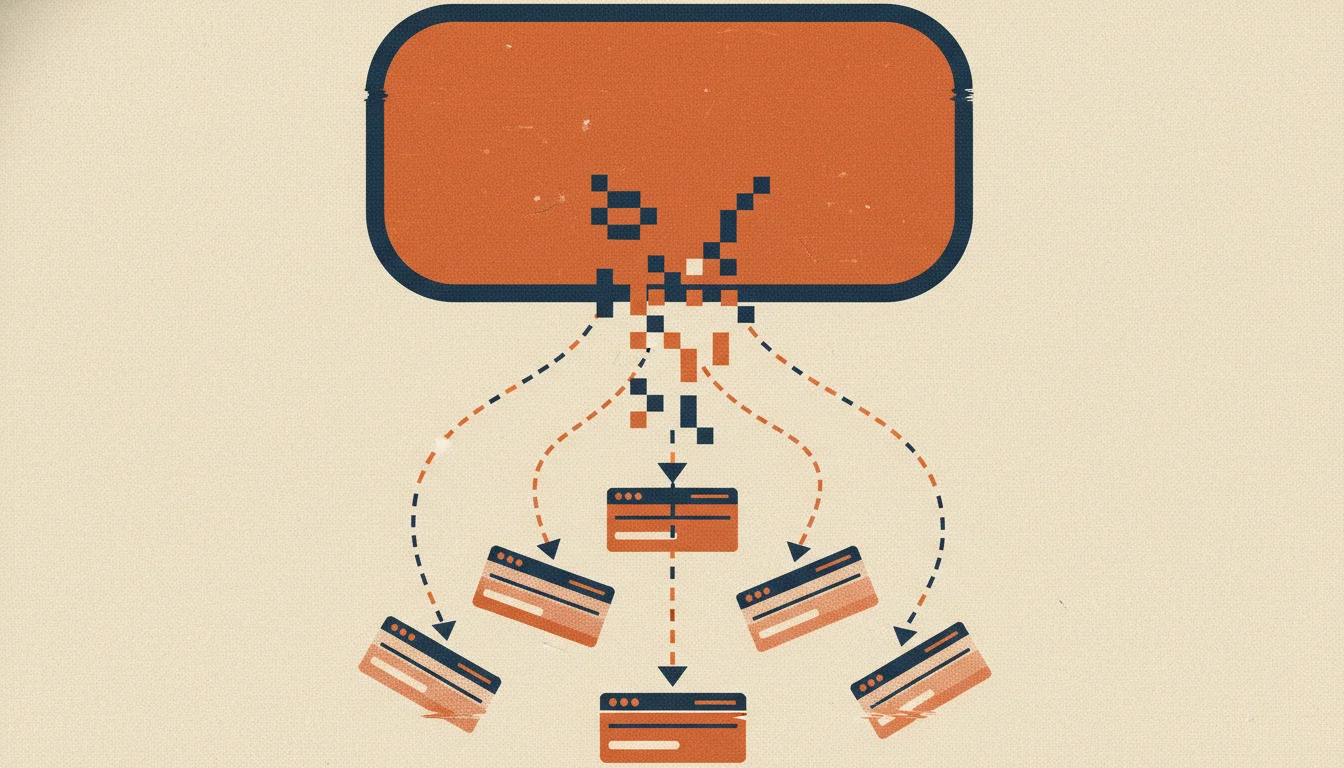
Every few weeks a post titled “SEO is dead” goes viral, and this month one did again. The format is familiar: someone built a content site, published dozens of articles, watched Google answer the question directly with AI, place four ads and a Reddit thread and a YouTube short above their page, and got no clicks. The conclusion is always the same three letters. Dead.
The frustration is real. The diagnosis is wrong. SEO is not dead. The specific job that SEO used to do is being absorbed for a growing share of queries, and the unit you optimize for has changed. This guide separates the panic from the shift, names what actually changed, and lays out what you still control.
The Panic Bundles Three Different Problems
The viral posts feel true because they describe a real experience. But they usually collapse three separate changes into one funeral. Pulling them apart is the first step to a calmer plan.
AI Overviews answer without a click. For informational queries, Google increasingly answers at the top of the page, drawing from multiple sources. The user gets the answer and never scrolls. This is the zero click problem, and it hits thin informational content hardest. A page whose only job was to explain a simple definition now competes with an engine that gives that definition in two sentences before the page even loads.
User generated content and video outrank conversion pages. A Reddit thread, a forum answer, or a video now sits above a polished commercial page for many queries. Google is deciding that real discussion and demonstration are more useful than another page optimized to convert. This is a content format shift, not a death. People still read and watch, they just trust a peer answer or a screen recording more than a sales page for certain questions.
Informational traffic is being absorbed. The traffic that used to arrive from “how to” and “what is” searches is shrinking, because the engine handles those itself. Pages built only to capture that traffic lose the most. This is the change that funds most of the “SEO is dead” posts, because that traffic was the easiest to win and is now the easiest to lose.
Each of these is real. None of them is “SEO is dead.” They are three different forces, and the response to each is different.
Who Actually Loses, and Who Is Mostly Fine
The funeral posts come overwhelmingly from one kind of site. Naming the pattern makes the picture far less scary for everyone else.
The sites losing the most are content arbitrage plays: build a large number of pages targeting informational keywords, monetize with ads or thin affiliate links, capture search traffic that was passing through anyway. That model worked because Google sent clicks to pages that answered simple questions. When the engine answers those questions itself, the entire model loses its supply. That is the kitten trinket content site in every viral thread.
The sites that are mostly fine, or even better off, share a different shape. A local business still gets found when someone searches for a service near them, and AI recommendations now lean on the same local signals and reviews. A brand with a real product still gets named when the engine recommends options, as long as it is mentioned in the places the engine reads. A site backed by genuine expertise still gets cited, because engines need trustworthy sources to assemble an answer and original analysis is exactly what they cannot generate alone. Communities and forums are gaining, not losing.
If your traffic depended on being the page that answered a question a machine can now answer, the shift is painful. If your value is a real product, a real service, or real expertise, the work changed but the ground under you did not vanish.
SEO Did Not Die, It Split Into Three Layers
The cleaner way to describe 2026 is that SEO became an umbrella with three layers under it, and most people only practiced the first one.
Classic SEO is still here: crawlable pages, clean structure, fast loading, internal links, relevant content. This is the foundation, and it did not stop mattering. A site the engine cannot crawl or understand cannot win any of the newer games either.
GEO, generative engine optimization, is the work of being a source that AI engines pull from when they generate an answer. The longer treatment is in the GEO playbook, but the core idea is that the engine assembles answers from sources it trusts, and you want to be one of them.
AEO, answer engine optimization, overlaps with GEO and focuses on being the concise, extractable answer to a specific question, in AI Overviews, in voice results, in chat answers.
The person who said “SEO is dead” usually practiced only classic SEO, optimizing a page to rank and convert. That single layer lost ground. The umbrella did not collapse. It grew two more layers, and the work moved into them.

The Real Shift: From Page to Brand Entity
The deepest change behind all the panic is a change in the unit of optimization. For twenty years the unit was the page. You optimized a page, it ranked, people clicked. In 2026 the unit is increasingly the brand entity.
When an AI engine answers “best car insurance in a mid sized city” or “which crawler handles JavaScript,” it does not rank ten pages for the user to choose from. It assembles an answer and names a few sources or brands. The question is no longer only “does my page rank” but “does the engine mention my brand when it answers, and does it trust the places that mention me.”
That is why forum threads, roundup articles, and directories matter more than they used to. They are where the engine looks to decide which brands are real and recommended. Being the page the user clicks is one job. Being the brand the answer recommends is the new one.
This is not a trick you apply in an afternoon. It is earned through being mentioned, reviewed, and cited in the places an engine reads when it forms an answer about your topic. It looks less like keyword optimization and more like reputation, distributed across the open web rather than concentrated on your own domain.
What You Still Control
The doom posts skip the practical part, which is that plenty is still in your hands. None of it is magic. All of it is work that compounds.
Be present where the engine looks. Find the queries your buyers actually ask, then check whether AI engines, ChatGPT, and Perplexity mention you, your competitors, or neutral directories. Where you are absent, the work is earning genuine mentions in the communities, roundups, and directories those systems trust.
Make your content extractable. AI engines prefer clear, concise, well structured content. Short paragraphs, direct answers near the top, tables for comparisons, headings that match real questions. Content built to be quoted gets quoted, and content buried in a thousand words of preamble does not.
Keep your technical foundation clean. This is the part people forget while chasing the new thing. An engine can only cite what it can crawl and parse. Blocked AI bots, broken structure, slow rendering, and pages that return the wrong status code all remove you from consideration before the GEO conversation even starts.
Monitor which queries cite you. Track the questions where you appear and where a competitor does instead. That gap is your roadmap, and it is far more useful than a ranking report for a page nobody clicks.
Build assets the engine cannot generate. Original research, real data, first hand experience, a genuine tool. An engine can summarize what already exists. It cannot run your study, use your product, or report your numbers. Content that exists only to restate common knowledge is exactly what gets absorbed. Content that adds something new is what gets cited.
The Technical Foundation Did Not Get Less Important
Here is the part that gets lost in the “SEO is dead” noise. Every newer layer sits on top of a site the engine can actually read. If an AI crawler cannot reach your pages, render them, and pull clean content, your brand is invisible to the answer no matter how good your content strategy is.
This is unglamorous and it is exactly where a crawl still earns its place. Before you worry about GEO, confirm the basics: AI bots are not accidentally blocked in robots.txt, pages return correct status codes, canonicals point where they should, structured data is present and valid, and the content is readable rather than buried in scripts. The guide to robots.txt and AI crawlers covers the bot access side, and the AI Ready analysis checks whether your pages are structured the way AI engines prefer to read them.
A crawler will not write your brand strategy. It will tell you, in one pass, whether the technical floor is solid enough for any of the newer work to stand on. That floor did not stop mattering in 2026. If anything, it matters more, because now a single blocked bot can remove you from an answer, not just a ranking.
For a wider picture of where this is heading, the breakdown of Google’s own AI optimization guidance is the calmest official reference available, and it confirms most of the boring fundamentals while debunking the hype.
A Practical Starting Point
If the panic posts left you unsure where to begin, here is a short sequence that works for most sites. None of it requires a new budget, only a few focused hours.
Check how the engines describe you. Take the ten questions your buyers actually ask and run them through Google AI, ChatGPT, and Perplexity. Note where you are mentioned, where a competitor is, and where only a directory shows up. This is your real scoreboard now, and it takes an afternoon to build.
Run a technical crawl of your own site. Confirm that AI bots are allowed, status codes are correct, canonicals are sane, and structured data is present. This is the floor everything else stands on, and it is the fastest part to fix.
List the assets an engine cannot generate. A tool, original data, a real teardown, first hand experience. If you have none, that is the most important gap to close, because original material is what gets cited.
Find the three places your niche is discussed. The subreddits, the roundup sites, the directories an engine trusts for your topic. Earning honest mentions there is slow, but it is the work that moves the brand entity needle.
Stop measuring only rankings. A page ranking third for a query that the engine answers itself is a vanity metric. Measure mentions, citations, and qualified visits instead.
Conclusion
SEO is not dead. The job changed, and the change is real enough that the people declaring it dead are not wrong about the pain. What died is the assumption that optimizing a single page to rank is the whole job. The unit moved from page to brand entity, the work split into classic SEO, GEO, and AEO, and the technical floor underneath all of it matters more than ever.
The calm response is not to panic or to chase every new acronym. It is to keep the foundation clean, make your content easy to extract, earn mentions where the engines look, build things an engine cannot generate, and watch which questions cite you. If you want to check that your technical floor is solid enough to build on, Seodisias runs locally and flags blocked bots, broken status codes, and AI readiness in a single crawl. The headline is wrong. The work just moved.
Looking for something else?
Search every guide on the blog without going back to the list.