

Generative Engine Optimization #geo
Generative Engine Optimization (GEO) is the discipline of getting your content cited by generative AI systems. Unlike traditional SEO, GEO rewards clarity, factual density, and structured markup over backlinks alone. The guides below cover the GEO playbook, how it overlaps with SEO, and where it diverges.
22 posts

How to Test Whether AI Crawlers Can See Your Content
AI crawlers read raw HTML, not your rendered JavaScript. Here is how to test, in a few commands, whether your content is actually visible to them.

Engine-Specific GEO: How ChatGPT, Perplexity and Google AI Each Decide What to Cite
Most GEO advice treats AI search as one thing. It is not. ChatGPT, Perplexity and Google AI Overviews retrieve and cite sources differently, and optimizing for one is not the same as optimizing for all. A per-engine breakdown.

Open Knowledge Format (OKF): What It Is, and Why It Is Not an SEO File
Google's Open Knowledge Format packages knowledge for AI agents as plain Markdown. Here is how it works, how to produce one, and why it is not a ranking signal.

Agentic SEO Skills for 2026: What an SEO Professional Should Actually Learn
Agentic is everywhere, but few people say what it means for your own skill set. Here is which SEO skills gain weight, which ones are genuinely new, and a low-regret way to learn them without chasing hype.
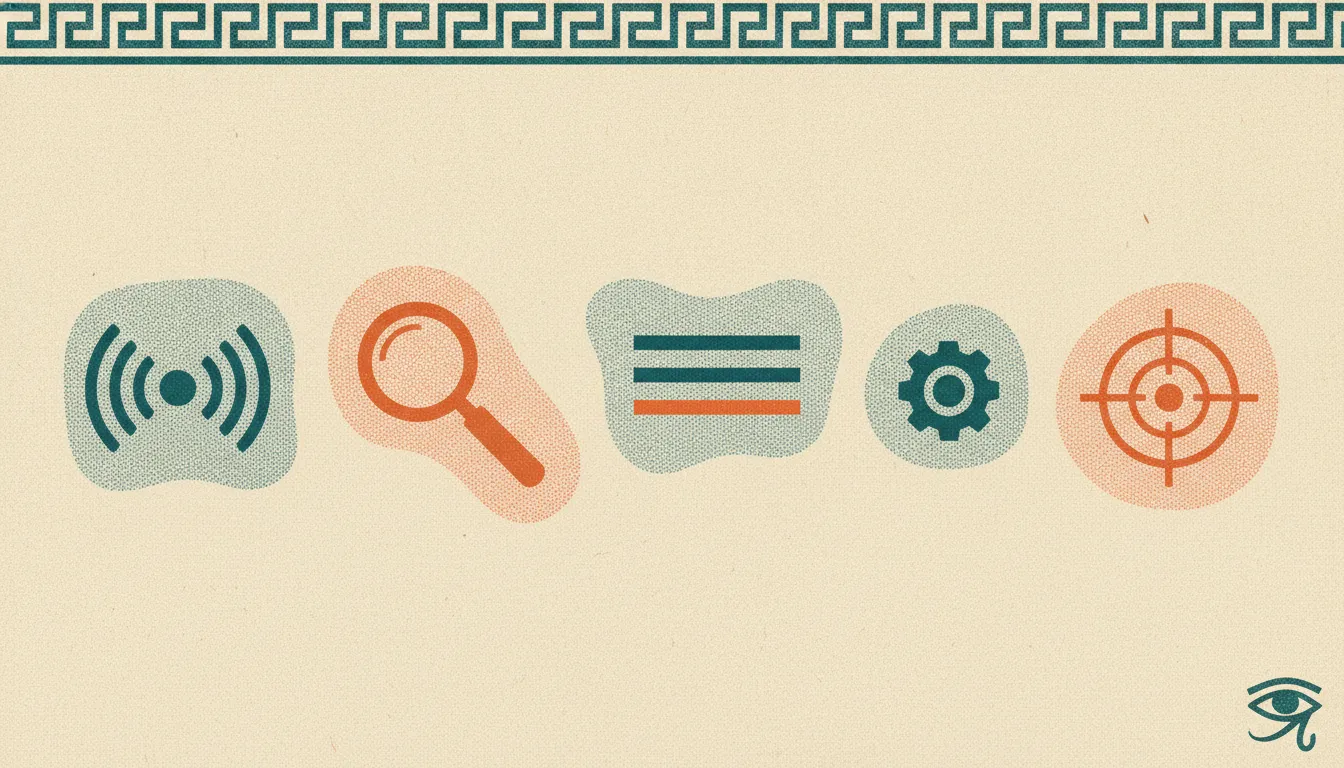
The 2026 AI SEO Tools Landscape: A Map of Five Categories, Not Another Hype List
AI changed what an SEO tool is. Here are the five categories that now matter, what each one actually does, where a plain technical crawler still fits, and why no tool saves bad content.

AI SEO Audit Checklist: 18 Checks for AI Search Visibility
A practical checklist for auditing whether AI search can reach, understand, and cite your site. Eighteen checks across access, meaning, citation-worthiness, and technical hygiene.
What Is Agentic SEO? A Plain Explanation for 2026
Everyone is saying agentic, few are explaining it. What agentic SEO actually means, how it differs from classic SEO and GEO, what is hype versus real, and the low-regret steps to take today.
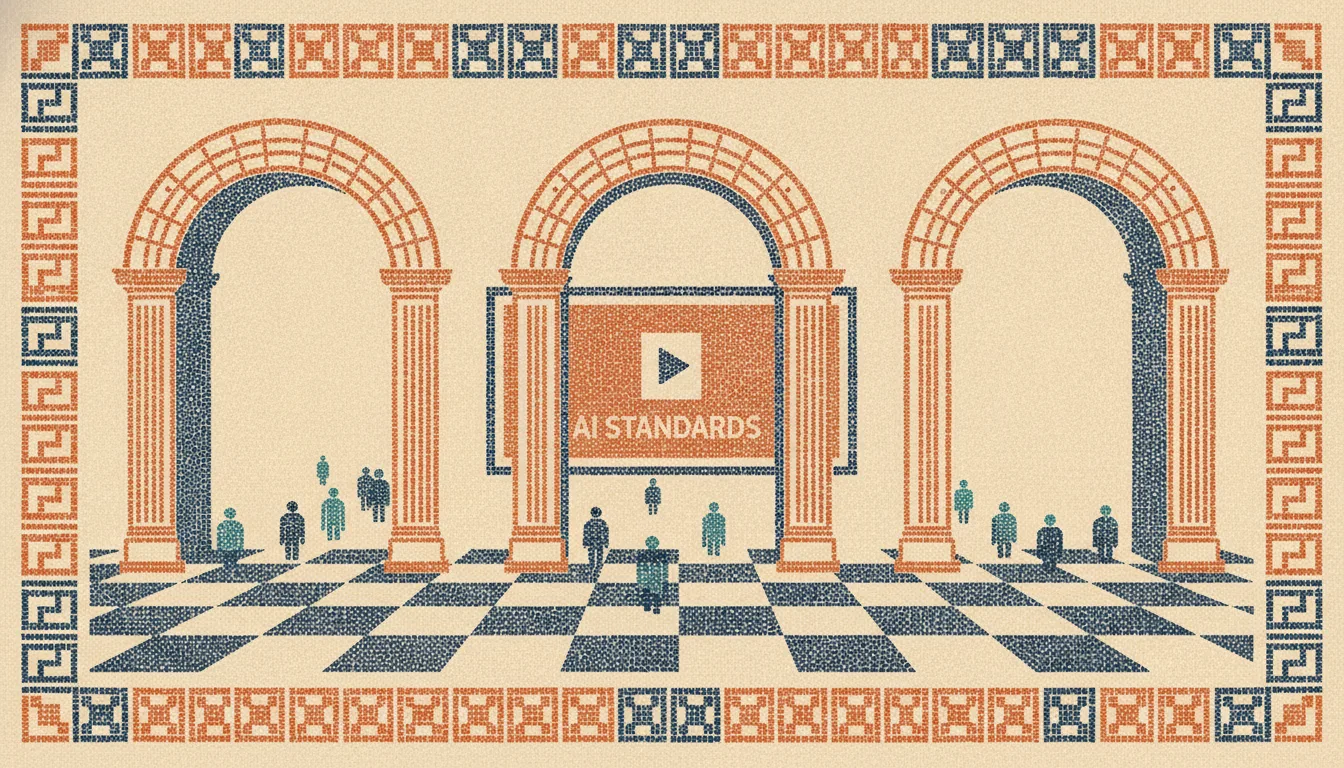
The Agentic Web Standards: NLWeb, MCP, and AIPREF Explained
New standards like NLWeb, MCP, and AIPREF promise an agentic web. Here is what each one does, what site owners should do now, and what is just hype.

IndexNow Explained: Why Google Doesn't Use It (and Who It Helps)
IndexNow lets you tell search engines a URL changed instead of waiting for a crawl. Here is how it works, why Google ignores it, who actually benefits, and how to set it up in an afternoon.

We Audited the Top 1000 Sites for AI Search Readiness
We checked the top 1000 websites for llms.txt, AI crawler rules, structured data, and sitemaps. Only a third are ready for AI search.

Is GEO Overhyped? What the Backlash Gets Right (and Wrong)
A loud backlash says GEO is dead, a fad, propaganda. Here is what the criticism gets right about the hype, what it gets wrong about the shift, and what actually earns visibility in AI search.
Citation-Worthy Pages: How to Get Your Content Cited by AI Search in 2026
AI search does not rank ten blue links, it cites a few sources. Learn what makes a page citation-worthy, why each engine cites differently, and how to turn an ordinary page into one AI quotes.

Search Console Now Reports AI Overview and AI Mode Performance
Google added generative AI performance reports to Search Console. What they show, the limits of the early rollout, and how to read AI Overview and AI Mode data without overreading it.

Why DuckDuckGo Is Up 30% (and What It Means for SEO and GEO)
DuckDuckGo installs spiked after Google made AI Search the default. Here is what the search fracture actually means for SEO and GEO, and the channels you should optimize for now.

ai-dataset.json and AI Index Files: Do You Need One in 2026?
A calm look at ai-dataset.json and similar AI index files. What they propose, what AI engines read today, and whether to add one to your site yet.
Is SEO Dead in 2026? What the AI Overview Shift Actually Changed
SEO is not dead, but the job changed. How AI Overviews, zero click search, and brand entity optimization reshaped the work, and what you still control.